

How Much Money Should I Be Saving For Retirement By Age 40
How Much Money Should I Have Saved by 40?
Where should you be financially when you turn 40? Learn how you stack up with your peers and how to ramp up your savings game.

Updated: Nov 11, 2021 at 11:17AM
Turning 40 is a big age milestone. But celebrating your 40th birthday can also be stressful if you're worried that you're behind your peers financially. You may be starting to think about your retirement goals more seriously.
By age 40, you should have saved a little over $175,000 if you're earning an average salary and follow the general guideline that you should have saved about three times your salary by that time. The median salary for full-time employees between the ages of 35 and 44 is $58,812, according to the the U.S. Bureau of Labor Statistics.
Of course, there's no hard-and-fast number or rule that applies to everyone. A good savings goal depends not just on your salary, but also on your expenses and how much debt you're carrying.
If your savings balance is lacking, don't panic. You probably still have decades of working and investing to build your nest egg. But you can't delay any longer. It's essential to increase your savings rate, even though it will require some sacrifice.

Image source: Getty Images.
What is the average savings at 40?
Don't have $175,000 saved? Neither does the average 40-year-old. Only about 55% of people between the ages of 35 and 44 have a retirement account, and the median balance is $60,000.
While the median net worth for this age group is $91,110, according to the Federal Reserve's 2019 Consumer Finances Survey, just over one-third of the demographic has student loans, with a median outstanding debt of $21,000. About half of those surveyed in this age range have a credit card balance, with the median balance being $2,700.
How to save more money at age 40
If you're behind on saving money at age 40, you probably still have two decades or more to make up for lost time. But you've also missed out on the substantial compound growth that you would have captured had you started saving money at age 25 or 30. Catching up is still doable, but you'll have to save more to make sure you aren't left with a retirement savings shortfall.
Here's what you can do to boost your savings in your 40s:
Negotiate your salary
You may think that if you can't save money, your problem is overspending. But that's not always the case. Sometimes the problem is that your income simply isn't enough to cover the bills and save enough for retirement.
By age 40, you've hopefully developed skills that make you valuable in the workplace. If you've been at your job for a long time, research your salary using sites such as Glassdoor and Payscale, along with U.S. Bureau of Labor Statistics data, to make sure you're being paid competitively. If your salary is on the low end, it may be time to make the case that you deserve a raise based on your accomplishments -- or to start searching for a new, better-paying position. If you're self-employed, it may be time to reassess your hourly or contract rates.
If you don't think that getting a pay raise or switching to a higher-paying job is feasible, then consider whether earning side income is a possibility. Collecting an extra $100 a week of income after taxes and investing that money could add nearly $300,000 to your savings over 20 years, assuming 10% annual investment returns.
Build a six-month emergency fund
An emergency is one of the biggest threats to your retirement planning. If you get sick or lose income when the stock market is down, you risk having to withdraw money from your retirement accounts at a loss -- and also being liable for taxes and an early withdrawal penalty.
Make saving six months' worth of expenses in a high-yield savings account a high priority at age 40. In your younger years, a three-month emergency fund may have sufficed. But, as you get older, your chances of a medical emergency are greater. Your requirements for an emergency fund also increase when you have kids or purchase a home.
After you've established your six-month emergency fund, if you have any credit cards or student loans, make paying them off your next priority. Then use the money you were spending on payments to invest more in your retirement.
Prioritize Roth retirement accounts
If you're trying to catch up on your savings by investing in an individual retirement account, choosing a Roth IRA over a traditional IRA is a smart move. You won't get a tax break this year for contributing, but when you retire, your withdrawals are tax-free. Having a tax-free source of income in retirement is invaluable, particularly if you retire a bit short of your savings goal.
Many 401(k) plans now offer a Roth 401(k) option in addition to a traditional tax-deferred plan. If you have an employer-sponsored retirement account, check with your HR department to find out whether there's a Roth version of your plan.
Set limits on helping out family
Many people become part of the sandwich generation in their 40s because they're raising their own families while also trying to help their aging parents.
When you're behind on your own savings goals, you need to set hard limits on how much you can afford to help with others' expenses. If you want to help support your parents, then work the amount you can afford into your budget. Communicate with your parents and siblings about what they can expect from you.
You also need to prioritize your retirement savings over saving for your kids' college education. This may be difficult, but your kids have more options for funding their education -- such as financial aid, student loans, and working part-time -- than you'll have if you retire with little savings.
Be realistic about retirement planning
Retirement can seem like an abstract goal when you're in your 20s or 30s, but in your 40s, it may start to materialize on the not-so-distant horizon. This may create a new sense of urgency about saving money, which is a good thing.
Make sure you're setting realistic goals, particularly if you're catching up on saving. Don't plan on retiring early at age 50 or claiming Social Security as soon as you turn 62 if you're behind on your saving objectives. Most financial planners recommend replacing about 70% to 80% of your income when you retire, so keep this guideline in mind as you start to make retirement plans.
At age 40, you still have time to save for retirement, but you also don't have time to waste. Some short-term sacrifices now will pay off nicely in a couple of decades.
Motley Fool Returns
Stock Advisor S&P 500
624% 140%
Join Stock Advisor
Discounted offers are only available to new members. Stock Advisor will renew at the then current list price. Stock Advisor list price is $199 per year.
Stock Advisor launched in February of 2002. Returns as of 12/06/2021.
Cumulative Growth of a $10,000 Investment in Stock Advisor Calculated by Time-Weighted Return 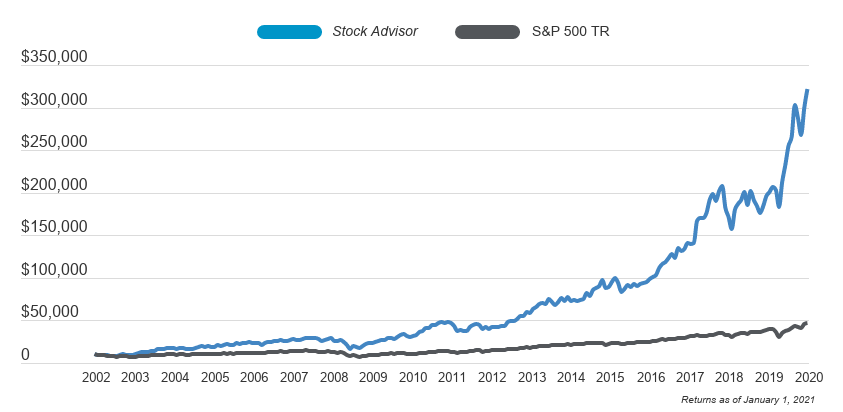
Retirement Planning
- The Basics of Retirement
- How much do I need to retire?
- 401k Essentials
- How do I compare?
- Social Security 101
- Retirement and Coronavirus
In Retirement
- How to Retire?
- What to Sell in Retirement?
- Estate Planning
Investing Tools
- Compare Stock Brokers
- Compare IRA Accounts
- Financial Calculators
How Much Money Should I Be Saving For Retirement By Age 40
Source: https://www.fool.com/retirement/how-much-money-should-i-have-saved-by-40/
Posted by: bagleylatepred.blogspot.com
0 Response to "How Much Money Should I Be Saving For Retirement By Age 40"
Post a Comment